
- Look for NASM, ACSM, or NSCA certifications as minimum qualifications
- Ask about their assessment process — good trainers screen before programming
- Consider mobile/in-home trainers if commute time is your biggest barrier
- Longevity-focused training optimizes for healthspan, not just aesthetics
- Always request a complimentary consultation before committing
Finding a personal trainer in Austin isn't hard. Finding the right one? That takes a little more work. This city is packed with trainers — gym-floor generalists, Instagram influencers, garage gym warriors, boutique studio coaches, and everything in between. The range is massive, and so is the quality gap.
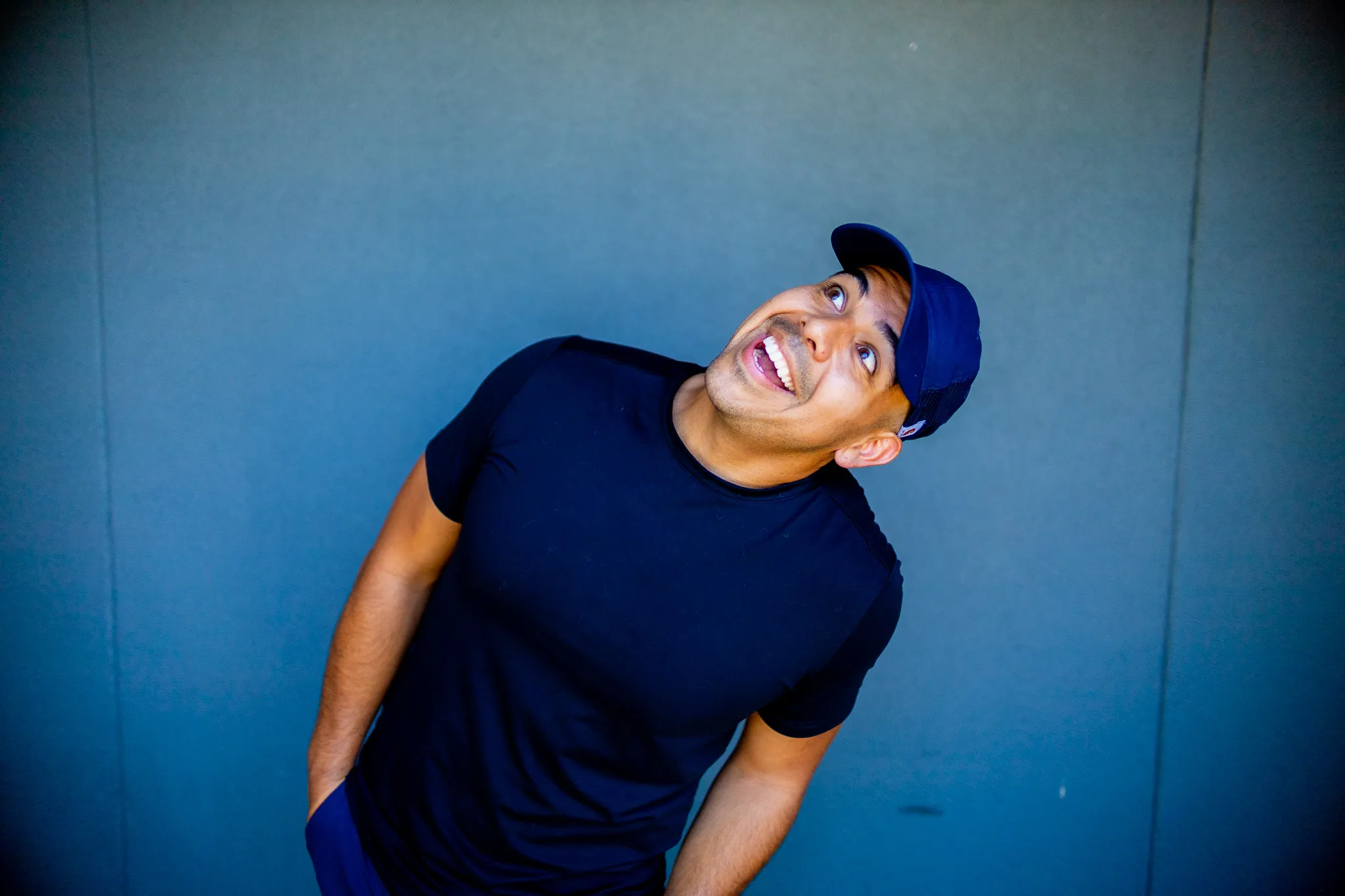
I'm Danny Trejo. I've been training clients in Austin for years, and I'll be straight with you: a great trainer changes your life. A bad one wastes your time and money. Here's how to tell the difference.
What Makes a Great Personal Trainer?
Certifications matter — but they're the starting line, not the finish. Look for trainers holding nationally accredited certifications like NASM (National Academy of Sports Medicine), ACSM (American College of Sports Medicine), or NSCA (National Strength and Conditioning Association). These organizations require real education, practical exams, and continuing education to maintain. If someone's only credential is a weekend certification from a company you've never heard of, keep looking.
Beyond certifications, look for specialization. A trainer who works with post-rehab clients is different from one who trains competitive athletes. Neither is better — but one is better for you. Ask about their specialty. If they say "everything," that's a yellow flag.
And then there's the most important thing: client results. Not testimonials on a website — actual, documented outcomes. Does this trainer have clients who've been with them for years? Do those clients move well, feel strong, and keep coming back? Longevity in client relationships tells you more than any certification ever could.
5 Questions to Ask Before Hiring a Personal Trainer
Before you commit to a trainer, ask these:
1. "What's your programming philosophy?" You want to hear something specific. "I use progressive overload with periodized programming based on assessment results" is a good answer. "I mix it up every day to keep things interesting" is not. Random workouts produce random results.
2. "Do you do an initial assessment?" Any trainer worth their rate starts with an assessment — movement screening, health history, goal setting. If someone wants to jump straight into a workout on day one, they're winging it. Your body isn't generic, and your program shouldn't be either.
3. "What does your weekly availability look like?" Consistency is everything in training. If a trainer is booked solid and can only fit you in at random times, you'll struggle to build the habit. Look for someone who can commit to a regular schedule that works with your life.
4. "How do you handle pricing and packages?" Transparency matters. A good trainer will clearly explain their rates, session packages, and cancellation policy upfront. If pricing feels hidden or confusing, that's a red flag. In Austin, expect to pay anywhere from $75 to $175+ per session for qualified 1-on-1 personal training, depending on experience, credentials, and location.
5. "What's your area of specialization?" This goes back to fit. A trainer who specializes in powerlifting isn't the best choice if you're recovering from a shoulder injury. One who focuses on corrective exercise and longevity training isn't ideal if you're prepping for a bodybuilding show. Match the specialization to your goals.
Austin's Personal Trainer Landscape
Austin's fitness scene is genuinely diverse. Here's the lay of the land:
Big-Box Gym Trainers — Available at places like Lifetime, Equinox, and Gold's Gym. Often more affordable, but quality varies widely. Some are excellent; some are just filling a floor shift.
Boutique Studio Trainers — Smaller, specialized facilities that focus on specific training styles. You'll find everything from Olympic lifting studios to Pilates-based corrective exercise practices. These tend to offer more personalized programming.
Mobile and Outdoor Trainers — Austin's weather makes outdoor training viable most of the year. Some trainers come to you — your home, your apartment gym, or Zilker Park. Convenient, but make sure they're bringing real programming, not just making you do burpees in the grass.
Private Training Studios — Small-footprint, appointment-only spaces where the trainer controls the environment. This is where you typically find the most experienced, specialized trainers. Sessions are fully focused on you — no waiting for equipment, no distractions.
Why Longevity-Focused Training Is Different
Most training approaches are built around short-term goals: lose 20 pounds, run a 5K, look good for summer. There's nothing wrong with those goals. But what happens after you hit them?
Longevity-focused training flips the script. Instead of asking "What do I want to look like in 3 months?" it asks "How do I want to move, feel, and perform in 10 years? In 20 years?"
At RxFit, that's our entire framework. We start with a comprehensive movement assessment, build corrective exercise into every program, and layer in strength, mobility, and metabolic work based on where you are — not where Instagram says you should be. Every protocol is individualized. Every session has a purpose.
It's not flashy. It's not trendy. It's training that compounds over time, and it's why our clients stay for years instead of months.
How to Start
If you're ready to find a trainer who actually fits your goals, start by getting assessed. Not sold to — assessed. A real evaluation of how you move, where your limitations are, and what your body actually needs.
You can book a complimentary assessment with our team at rx-fit.com/assessment. No pressure, no contracts — just an honest conversation about where you are and where you want to go.
---
This article is for informational purposes only and does not constitute medical advice. Always consult with a qualified healthcare provider before beginning any new exercise program, especially if you have pre-existing health conditions or injuries.
Written by Danny Trejo, NASM-CPT, Corrective Exercise Specialist — RxFit Longevity Training, Austin, TX
Frequently Asked Questions
What certifications should a personal trainer in Austin have?
Look for NASM-CPT, ACSM-CPT, or NSCA-CSCS as baseline certifications. Specializations like Corrective Exercise Specialist (CES) or Performance Enhancement Specialist (PES) indicate advanced training in injury prevention and athletic performance.
How much does a personal trainer cost in Austin?
Personal training in Austin typically ranges from $60-150 per session depending on the trainer's experience, specialization, and whether sessions are in-gym or mobile/in-home. Longevity-focused and concierge trainers may charge $100-200+ per session.
What questions should I ask before hiring a personal trainer?
Ask about their programming philosophy, whether they do an initial assessment, their availability and cancellation policy, pricing transparency, and their specialization. A good trainer will ask YOU more questions than you ask them.
What is the difference between a personal trainer and a longevity coach?
A traditional personal trainer focuses on general fitness goals like weight loss or muscle gain. A longevity coach uses evidence-based protocols targeting healthspan optimization — biological age reduction, VO2 max improvement, metabolic health, and injury-proofing the body for decades of high performance.
Should I choose a gym-based or mobile personal trainer in Austin?
It depends on your schedule and preferences. Gym-based trainers offer access to full equipment but require you to commute. Mobile trainers come to your home, office, or building gym — eliminating the commute barrier that causes most people to quit training.
- NASM Certified Personal Trainer (NASM-CPT) Certification Overview — National Academy of Sports Medicine
- ACSM Certified Personal Trainer Certification — American College of Sports Medicine
- NSCA Certified Strength and Conditioning Specialist (CSCS) — National Strength and Conditioning Association